Buy my-bank.eu ?
We are moving the project
my-bank.eu .
Are you interested in purchasing the domain
my-bank.eu ?
domain@kv-gmbh.de · 0541-91531010
Buy my-bank.eu ?
Why is the savings bank blocking the online banking customers?
The savings bank may be blocking online banking customers for security reasons. They may have detected suspicious activity on certain accounts and are taking precautionary measures to protect their customers' funds and personal information. Additionally, the bank may be conducting routine maintenance or updates to their online banking system, temporarily restricting access to ensure a smooth and secure user experience once the maintenance is complete. It is also possible that there may be technical issues or glitches with the online banking platform that need to be resolved before customers can access their accounts again. **
When do you use hay, estar, and tener?
You use "hay" when talking about the existence of something or to indicate there is/there are. For example, "hay un perro en el parque" (there is a dog in the park). You use "estar" to express a temporary state or condition, such as emotions, locations, or physical states. For example, "estoy cansado" (I am tired) or "estamos en la playa" (we are at the beach). You use "tener" to indicate possession, age, or to express physical sensations. For example, "tengo un libro" (I have a book), "tengo veinte años" (I am twenty years old), or "tengo hambre" (I am hungry). **


Similar search terms for Tener
Top-Angebote
Products related to Tener:
-
"Pavilion Vacation Fund Ceramic Savings Bank - 6.5"""Save for your next adventure in style with this charming “Vacation Fund” stoneware money jar. Featuring a glossy ombre glaze, motivational fill lines, and a removable dollar-sign keychain, it’s a fun and functional way to reach your travel goals31,99 $*Shipping: 0,00 $Secure redirect to the provider
-
Inspired Deals Dinosaur Coin Bank Toy For Kids Interactive Savings Money Bank gingerImagine turning everyday saving into a moment your child looks forward to. This dinosaur coin bank toy brings playful excitement to learning money habits, as the cute dinosaur pops out to steal coins in a fun and surprising way. Designed for kids...44,97 $*Shipping: 0,00 $Secure redirect to the provider
-
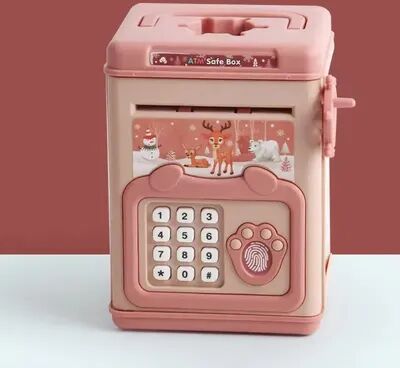
Tiny Tots Teens Trends Smart Fingerprint Piggy Bank, Automatic Banking Children's Gift Box pinkIntroduce your child to the world of savings with the Electronic Piggy Bank the perfect tool for teaching financial responsibility in a fun and secure way. This Children's Cash Box offers a unique, smart fingerprint password lock system, providing...92,97 $*Shipping: 0,00 $Secure redirect to the provider



-
How do you say "tener que" in Spanish?
In Spanish, "tener que" means "to have to" or "must." It is a common phrase used to express obligation or necessity. For example, "Tengo que estudiar" means "I have to study." **
-
How can savings bank transactions be deleted?
Savings bank transactions can typically be deleted by accessing the account statement or transaction history on the bank's online portal or mobile app. From there, you can select the specific transaction you wish to delete and look for an option to remove or delete it. If you are unable to delete the transaction yourself, you can contact your bank's customer service for assistance in removing the transaction from your account history. It's important to note that some transactions may not be able to be deleted, especially if they are already processed or finalized. **
-
What is the difference between "hay que" and "tener que"?
"Hay que" and "tener que" both express the idea of necessity, but they are used in slightly different contexts. "Hay que" is used to express a general obligation or necessity, often referring to a rule, law, or social norm. For example, "Hay que estudiar para tener buenas notas" (One must study to get good grades). On the other hand, "tener que" is used to express a specific obligation or necessity that is related to a particular person or situation. For example, "Tengo que terminar este informe antes de la reunión" (I have to finish this report before the meeting). **
-
How do you conjugate "tener que" in the preterite tense?
The verb "tener que" is conjugated in the preterite tense by using the preterite form of the verb "tener" followed by the infinitive form of "que." For example, "tuve que" (I had to), "tuviste que" (you had to), "tuvo que" (he/she/it had to), "tuvimos que" (we had to), "tuvieron que" (they had to). This construction is used to express that someone had an obligation or necessity to do something in the past. **
How can I use online banking with my savings?
To use online banking with your savings account, you will first need to set up online banking with your bank. This usually involves creating an online account and linking your savings account to it. Once your account is set up, you can access your savings account online to check your balance, transfer funds, set up automatic transfers, and even pay bills. Online banking provides a convenient way to manage your savings account from anywhere with an internet connection. **
How do you know when to use "tener que" or "hay que"?
"Tener que" is used when referring to a specific person or group of people who have an obligation or necessity to do something. For example, "Tengo que estudiar" (I have to study). On the other hand, "Hay que" is used when talking about a general obligation or necessity that applies to everyone. For example, "Hay que respetar las reglas" (One must respect the rules). So, the choice between "tener que" and "hay que" depends on whether the obligation is specific to an individual or more general. **
Top-Angebote
Products related to Tener:
-
Inspired Finds Clear Acrylic Piggy Bank For Adults Break To Open Savings Bank Clear Acrylic Piggy Bank For Adults Break To Open Savings BankBuild smarter saving habits with this clear acrylic piggy bank designed to keep you motivated every step of the way. Unlike ordinary jars or reusable banks, this transparent savings box helps adults, teens, and families stay committed to financial...33,99 $*Shipping: 0,00 $Secure redirect to the provider
-
"Pavilion Vacation Fund Ceramic Savings Bank - 6.5"""Save for your next adventure in style with this charming “Vacation Fund” stoneware money jar. Featuring a glossy ombre glaze, motivational fill lines, and a removable dollar-sign keychain, it’s a fun and functional way to reach your travel goals31,99 $*Shipping: 0,00 $Secure redirect to the provider
-
Why is the savings bank blocking the online banking customers?
The savings bank may be blocking online banking customers for security reasons. They may have detected suspicious activity on certain accounts and are taking precautionary measures to protect their customers' funds and personal information. Additionally, the bank may be conducting routine maintenance or updates to their online banking system, temporarily restricting access to ensure a smooth and secure user experience once the maintenance is complete. It is also possible that there may be technical issues or glitches with the online banking platform that need to be resolved before customers can access their accounts again. **
-
When do you use hay, estar, and tener?
You use "hay" when talking about the existence of something or to indicate there is/there are. For example, "hay un perro en el parque" (there is a dog in the park). You use "estar" to express a temporary state or condition, such as emotions, locations, or physical states. For example, "estoy cansado" (I am tired) or "estamos en la playa" (we are at the beach). You use "tener" to indicate possession, age, or to express physical sensations. For example, "tengo un libro" (I have a book), "tengo veinte años" (I am twenty years old), or "tengo hambre" (I am hungry). **
-
How do you say "tener que" in Spanish?
In Spanish, "tener que" means "to have to" or "must." It is a common phrase used to express obligation or necessity. For example, "Tengo que estudiar" means "I have to study." **
-
How can savings bank transactions be deleted?
Savings bank transactions can typically be deleted by accessing the account statement or transaction history on the bank's online portal or mobile app. From there, you can select the specific transaction you wish to delete and look for an option to remove or delete it. If you are unable to delete the transaction yourself, you can contact your bank's customer service for assistance in removing the transaction from your account history. It's important to note that some transactions may not be able to be deleted, especially if they are already processed or finalized. **
Similar search terms for Tener
-
Inspired Deals Dinosaur Coin Bank Toy For Kids Interactive Savings Money Bank gingerImagine turning everyday saving into a moment your child looks forward to. This dinosaur coin bank toy brings playful excitement to learning money habits, as the cute dinosaur pops out to steal coins in a fun and surprising way. Designed for kids...44,97 $*Shipping: 0,00 $Secure redirect to the provider
-
Tiny Tots Teens Trends Smart Fingerprint Piggy Bank, Automatic Banking Children's Gift Box pinkIntroduce your child to the world of savings with the Electronic Piggy Bank the perfect tool for teaching financial responsibility in a fun and secure way. This Children's Cash Box offers a unique, smart fingerprint password lock system, providing...92,97 $*Shipping: 0,00 $Secure redirect to the provider
-
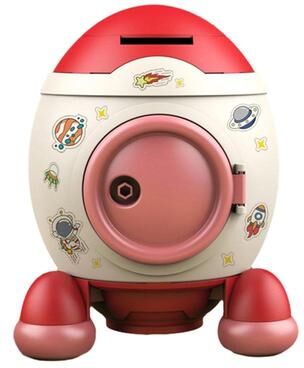
Snug & Styled Kids Cartoon Rocket Piggy Bank With Key DIY Stickers Large Coin Savings Bank Gift pinkBring saving to life with this fun rocket piggy bank designed to inspire children to build smart money habits from an early age. Perfect for boys and girls aged 3+, this kids savings bank combines playful spacethemed design with practical everyday...41,97 $*Shipping: 0,00 $Secure redirect to the provider
-
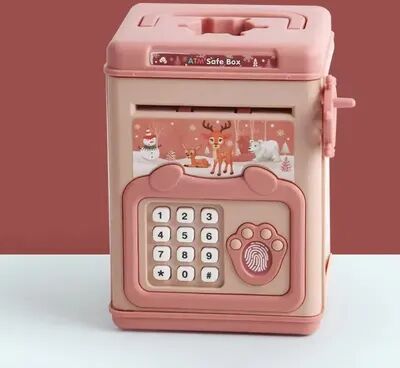
Inspire Daily Merch Smart Fingerprint Bank Childrens Cash Box Electronic Money Box Password Safe Automatic Banking pinkUnlock Smart Savings with the Electronic Piggy Bank Introducing the Electronic Piggy Bank, a revolutionary way for children to save money securely. This Children's Cash Box combines technology and fun, teaching kids the importance of saving with...37,97 $*Shipping: 0,00 $Secure redirect to the provider
-
What is the difference between "hay que" and "tener que"?
"Hay que" and "tener que" both express the idea of necessity, but they are used in slightly different contexts. "Hay que" is used to express a general obligation or necessity, often referring to a rule, law, or social norm. For example, "Hay que estudiar para tener buenas notas" (One must study to get good grades). On the other hand, "tener que" is used to express a specific obligation or necessity that is related to a particular person or situation. For example, "Tengo que terminar este informe antes de la reunión" (I have to finish this report before the meeting). **
-
How do you conjugate "tener que" in the preterite tense?
The verb "tener que" is conjugated in the preterite tense by using the preterite form of the verb "tener" followed by the infinitive form of "que." For example, "tuve que" (I had to), "tuviste que" (you had to), "tuvo que" (he/she/it had to), "tuvimos que" (we had to), "tuvieron que" (they had to). This construction is used to express that someone had an obligation or necessity to do something in the past. **
-
How can I use online banking with my savings?
To use online banking with your savings account, you will first need to set up online banking with your bank. This usually involves creating an online account and linking your savings account to it. Once your account is set up, you can access your savings account online to check your balance, transfer funds, set up automatic transfers, and even pay bills. Online banking provides a convenient way to manage your savings account from anywhere with an internet connection. **
-
How do you know when to use "tener que" or "hay que"?
"Tener que" is used when referring to a specific person or group of people who have an obligation or necessity to do something. For example, "Tengo que estudiar" (I have to study). On the other hand, "Hay que" is used when talking about a general obligation or necessity that applies to everyone. For example, "Hay que respetar las reglas" (One must respect the rules). So, the choice between "tener que" and "hay que" depends on whether the obligation is specific to an individual or more general. **
* All prices are inclusive of VAT and, if applicable, plus shipping costs. The offer information is based on the details provided by the respective shop and is updated through automated processes. Real-time updates do not occur, so deviations can occur in individual cases. ** Note: Parts of this content were created by AI.